Thinking about fitting more home on your Medina lot without sacrificing outdoor space? Zero‑lot‑line design can open up options, but it also brings unique code, legal, and permitting steps you need to plan for early. If you understand what it changes about siting, fire safety, stormwater, easements, and approvals, you can decide if it is worth pursuing with your design and legal team. This guide gives you a clear roadmap tailored to Medina so you can talk confidently with your architect and attorney. Let’s dive in.
Zero‑lot‑line, in plain terms
A zero‑lot‑line (ZLL) places one exterior wall directly on, or very close to, the property line. That wall typically needs to be fire‑rated and usually cannot have standard windows or doors. You gain more open space on the opposite side of the house, which can improve yard usability and circulation.
ZLL can work for a single detached home, attached homes, townhomes, or duplexes. In infill settings, it is used to fit a larger footprint on a narrow lot or create flexible layouts where width is limited.
Why owners consider ZLL
- Maximize usable yard or access on one side of the home.
- Fit a larger or more functional floor plan on a constrained lot.
- Achieve higher density with attached forms like townhomes while managing bulk on other sides.
How ZLL changes site planning and design
Zoning and lot design basics
ZLL is only an option if your zoning and development rules allow it. You and your team should confirm permitted uses, how many units are allowed, minimum lot width and area, lot coverage, height limits, required yards, and parking. If you plan to create a new ZLL parcel, expect subdivision or short‑plat steps.
Setbacks, coverage, and impervious surface
Moving a wall to the line can change how the city calculates setbacks and lot coverage. You still need to meet stormwater rules, which can limit impervious area or require on‑site infiltration, bioretention, or detention. Tree protection and landscape buffer standards also continue to apply and can shape your layout.
Fire code, openings, and wall design
Building and fire codes drive many ZLL choices. Walls close to the lot line have strict limits on openings unless they meet required fire‑resistance ratings or act as party walls. Fire‑rated construction adds cost and may reduce natural light and cross‑ventilation on that side. Reduced separation distances may trigger sprinkler requirements. Your plans must comply with the Washington State Building Code and any local amendments.
Access, maintenance, and easements
Most ZLL projects rely on recorded easements and agreements. Common instruments include a reciprocal maintenance easement for access to the lot‑line wall and roof edges, a party wall agreement if the wall is shared, and non‑encroachment covenants for projections such as gutters. Have your attorney draft or review these and record them with the county.
Privacy, light, and neighbor relations
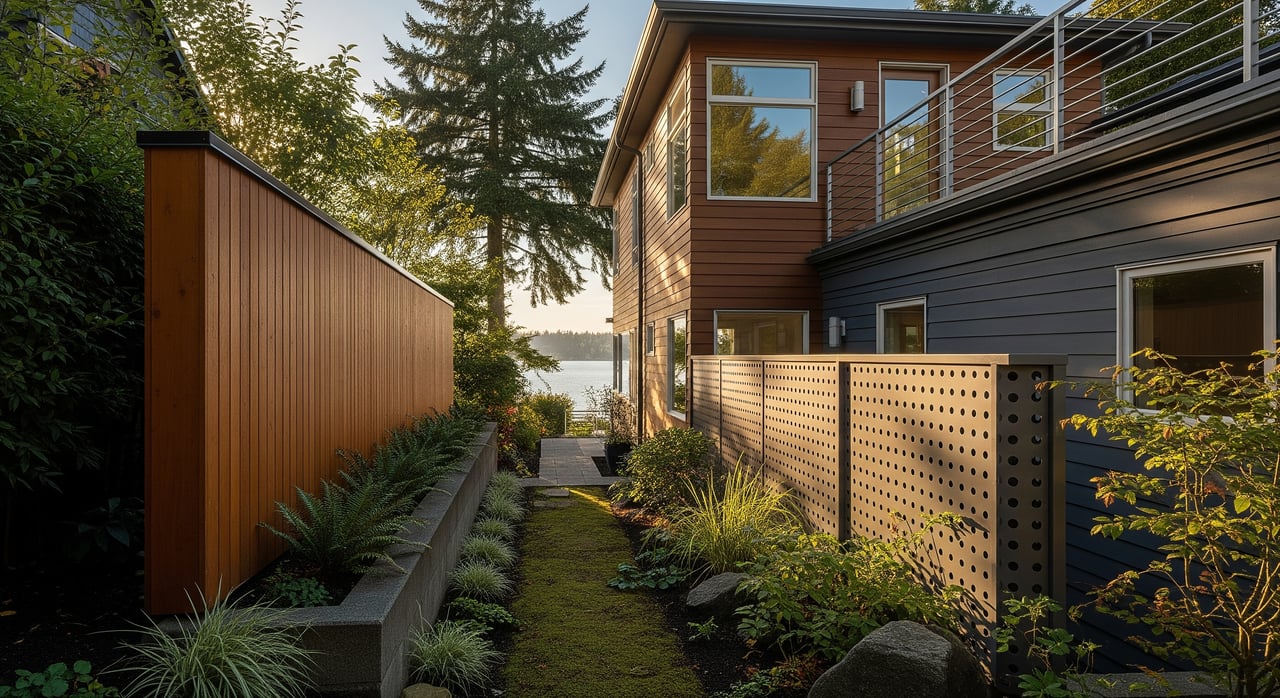
A wall on the line changes privacy and views. Mitigation strategies include placing main living spaces and larger windows away from the lot‑line wall, using clerestory windows, light wells, or light tubes, and enhancing landscaping on the open side. Early, clear communication with adjacent owners can reduce friction and the risk of disputes.
Utilities, stormwater, and drainage
Verify water, sewer, and storm connections with the City of Medina and relevant utility districts. Stormwater management is often a major constraint for infill. You must meet applicable King County and local stormwater standards for runoff quantity and water quality, which may affect footprint, grading, and materials.
Geotechnical and structural factors
Foundations, retaining walls, and excavation near a property line can require special structural detailing and a geotechnical review. If your property is on the Lake Washington shoreline or near slopes, expect added shoreline and critical area considerations.
Medina approvals: what to expect
Start with a pre‑application conversation
A pre‑application meeting with Medina planning and building staff is strongly recommended. You will learn how local standards apply to your concept and what drawings, studies, and forms you will need.
Get your survey and confirm land use
Order a current boundary survey and a recent title report to confirm your exact property lines, existing easements, and any recorded restrictions. Confirm whether ZLL is permitted in your zoning district or whether a planned development, conditional use, or variance would be required.
Subdivision or lot creation, if needed
If you are creating a new parcel, you will likely follow a short‑plat process for nine or fewer lots or a full plat for more. These processes must meet local ordinances and state subdivision law.
Design review, site plan, and possible SEPA
Some projects require design or site plan review with drawings, landscape plans, and possibly public notice. Environmental review under the State Environmental Policy Act may apply if thresholds are met, or if tree removal, shoreline work, or cumulative impacts trigger review.
Building permit and recorded documents
For the building permit, submit architectural and engineered drawings that show required fire separations for the ZLL wall, structural calculations, and details for eaves or projections near the lot line. Party wall agreements, maintenance easements, and other covenants often must be recorded with King County before final approvals.
Variances and neighbor notice
If your proposal conflicts with dimensional standards such as setbacks, lot coverage, or frontage, a variance or special exception may be needed. These processes include neighbor notice and require you to show hardship consistent with local rules. Plan for potential appeals.
Timeline and cost drivers
Expect several months from pre‑application to recorded approvals, depending on complexity. Building permit review can add weeks to months. Cost drivers include legal fees for easements and agreements, design and engineering for fire‑rated walls and geotechnical work, and stormwater or tree mitigation.
Legal essentials to plan for
Easements, party walls, and title
Plan for a reciprocal maintenance easement, a party wall agreement if applicable, and any non‑encroachment agreements for projections. Record these documents so they bind future owners. Have your attorney explain how they will appear on title and what they mean for resale.
Insurance and construction liability
Discuss your plan with your title company and insurance broker. Make sure your homeowner and builder’s risk policies reflect a wall on the property line and obligations tied to party walls or maintenance access. Your construction contract should address protection of neighboring improvements and responsibility for any damage.
Neighbor consent and dispute avoidance
While some approvals do not require neighbor sign‑off, a written neighbor agreement can reduce risk and smooth the process. Consider mediation clauses in party wall agreements to provide a clear path for dispute resolution.
Owner checklist for feasibility
Use this checklist with your architect and attorney to move from idea to decision:
- Confirm zoning allowance for ZLL or identify the needed approval path.
- Obtain a current boundary survey and recent title report.
- Host a pre‑application meeting with City of Medina planning staff.
- Commission geotechnical and arborist reports if required.
- Prepare a conceptual site plan that shows utilities, parking, drainage, and landscape buffers.
- Identify necessary recorded easements and draft a party wall agreement.
- Budget for fire‑rated assemblies, specialty details, legal drafting, and recording fees.
- Plan neighbor outreach and document any consents.
Risks and common pitfalls
Be realistic about the following before you commit:
- Existing easements or recorded restrictions that block ZLL placement.
- Building code limits on openings that reduce natural light and layout options.
- Stormwater and tree protection requirements that shrink the buildable area.
- Neighbor objections that add time and legal risk.
- Added construction and insurance costs for party walls and maintenance obligations.
Avoid common mistakes like assuming you can build without recorded easements, overlooking fire‑rating and window limits, delaying stormwater coordination, or ignoring long‑term maintenance and cost sharing.
Is ZLL right for your Medina property?
Zero‑lot‑line can be a smart way to make a narrow lot work harder or to create high‑quality attached housing. It also touches nearly every part of the process, from zoning and building codes to legal documents, stormwater design, and neighbor relations. Start with a solid survey, a pre‑application meeting with Medina staff, and a design team that knows how to detail lot‑line walls. Then decide if the added complexity is worth the outcome for your goals.
If you want a real estate perspective on value, resale, and market fit before you invest in design and legal work, let’s talk. Reach out to Unknown Company to request a complimentary consultation and a thoughtful plan for your next step.
FAQs
What is a zero‑lot‑line home in Medina?
- A zero‑lot‑line home places one exterior wall on or close to the property line, using a fire‑rated or party wall and preserving open space on the opposite side. Whether it is allowed depends on your zoning and local standards.
How do building codes affect windows near the property line?
- Openings on walls near the line are limited unless the wall meets required fire‑resistance ratings or is treated as a party wall. Expect fewer standard windows on that side and plan alternative daylight strategies with your architect.
Do I need my neighbor’s permission for a ZLL project?
- Formal consent is not always required, but recorded easements for maintenance and any shared conditions are typical. A written neighbor agreement can reduce disputes and smooth approvals.
How long does permitting take for ZLL infill in Medina?
- Timelines vary by complexity, but plan for several months from pre‑application through approvals, with additional weeks to months for building permit review. Variances or subdivision steps can extend the schedule.
How does stormwater management impact a ZLL design?
- You must meet local and King County stormwater standards, which can limit impervious area or require on‑site infiltration, bioretention, or detention. Early coordination helps avoid redesigns and surprises.